“I really wanted to finally read for myself,” György Dragomán recalled of his school years in a Facebook post in September. He could see the letters one by one but couldn't put them together into words, and struggled in vain with syllable cards cut out of paper.
For a long time, the writer believed that everyone faced similar challenges when learning to read. Telex recounted his story in a summary of the Buksó podcast published on October 6, which was dedicated to reading disorders ahead of World Dyslexia Day on October 8.
## It affects more children than any single figure shows
According to international studies reported in Telex, 7.1 percent of elementary school students have dyslexia. This percentage does not include those who have other reading difficulties or disorders.
Another statistic points to an even broader problem. According to the latest PISA report, nearly one-third of Hungarian children are at risk of becoming functionally illiterate as adults.
The two figures describe different phenomena: one shows the proportion of children with dyslexia, while the other indicates the risk of functional illiteracy later in life. Together, however, they indicate just how many children may struggle with reading and reading comprehension.
## The same help doesn't work for everyone
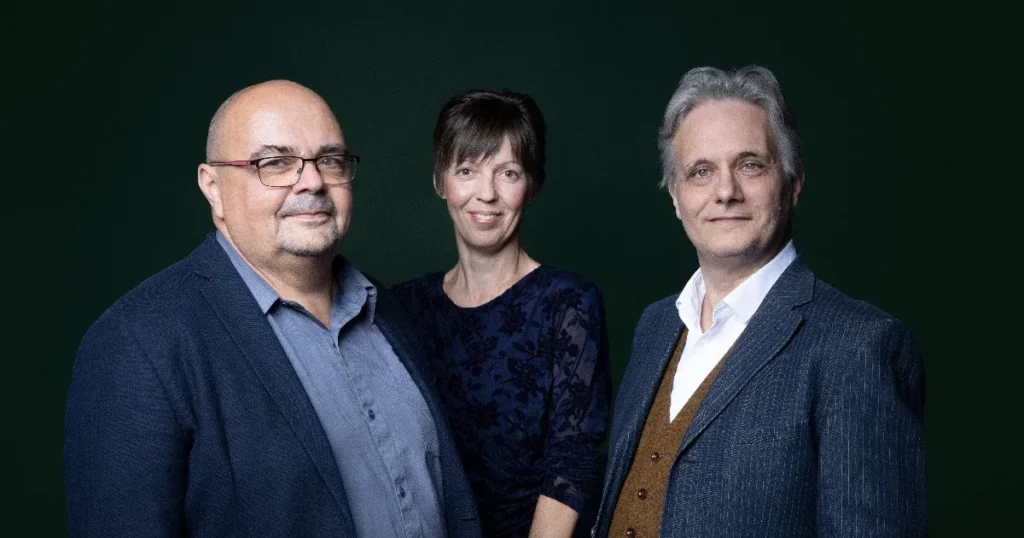
On the Buksó podcast, Krisztián Nyáry talked with linguist Dr. Veronika Schéder, creator of Integrative Dyslexia Therapy, and reading researcher Dr. János Steklács, professor of linguistics at the University of Pécs. Besides dyslexia, they discussed several forms of reading difficulty and how to support the children affected.
The experts emphasized the role of personalized approaches. György Dragomán also pointed out that, unlike in his own childhood, these syndromes can now be diagnosed, and there are personalized treatment protocols available.
Source: Telex