From city unification to the formation of the district
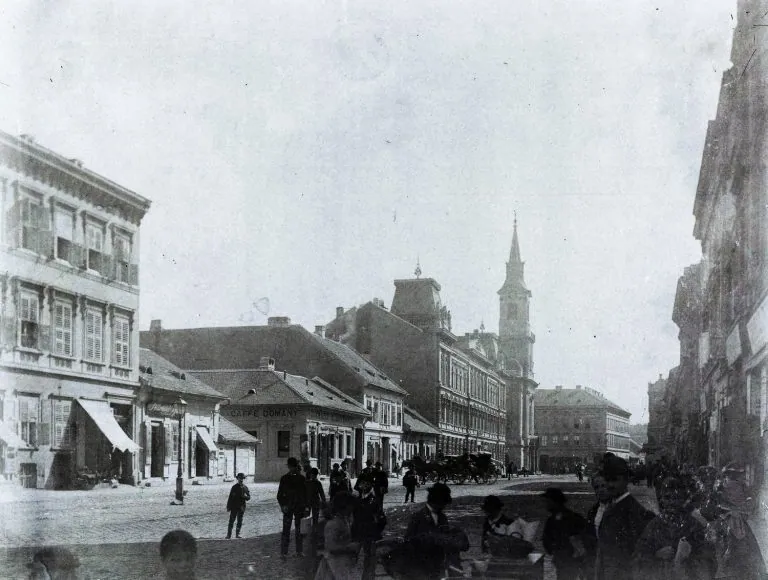
The area of today's Erzsébetváros originally existed as a suburb of Pest. The area began to be populated and parceled out at the beginning of the 18th century, after the Turkish occupation. Among the first significant streets were Király Street and Dob Street, and the cross streets connecting them.
Budapest was unified in 1873, when Óbuda, Buda and Pest merged to form the Hungarian capital. The new city was divided into 10 districts; District VII was formed from the southern part of Terézváros. This step marked the beginning of the history of Erzsébetváros.
Formal establishment and naming of the district
The district's own identity began to take shape early. In 1879 the District VII Civic Circle proposed naming the area after Elisabeth, Queen of Hungary. After Franz Joseph's approval, the General Assembly of Budapest adopted the proposal on January 25, 1882, and District VII has officially been called Erzsébetváros ever since.
Development and culture
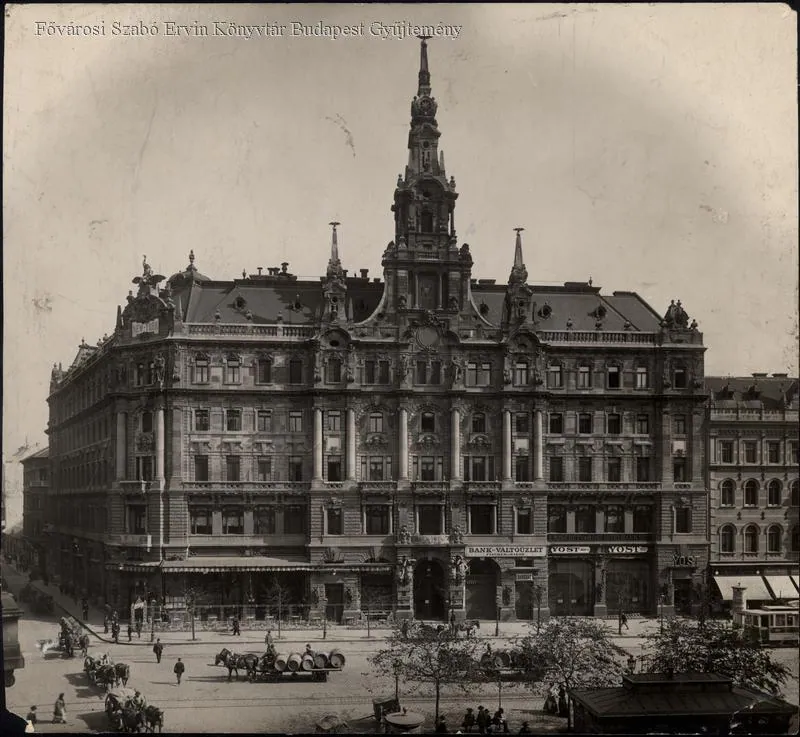
Around the turn of the century Erzsébetváros became one of Budapest's liveliest cultural centers. Legendary coffee houses such as the New York and the EMKE opened in the heart of the district and became favorite meeting places of the intelligentsia.
The New York Café opened its doors on October 23, 1894, and soon became the center of the art world. Its imposing interior was decorated with marble, stucco and bronze, and its ceiling was adorned with paintings by Gusztáv Magyar Mannheimer and Ferenc Eisenhut.
The coffee house was not simply a place to eat and drink: it was also a venue for dining, entertainment and creative work
The importance of the Jewish community
Erzsébetváros is home to Budapest's famous Jewish Quarter. It was established in the 19th century and by the turn of the century had become one of the most densely populated, multicultural parts of Pest.
The Dohány Street Synagogue, the largest synagogue in Europe, is one of the most significant buildings in the district. The Jewish community has significantly contributed to the economic and cultural development of the district.
World War II and the impact of the socialist era

During World War II, the district was severely affected by the Holocaust. A large part of the Jewish population perished or emigrated, which significantly changed the demographic composition and cultural life of the district. This period left deep scars in the history of Erzsébetváros, the traces of which are still felt today.
After the war, during the socialist era, Erzsébetváros, like the rest of Budapest, underwent significant changes. Nationalizations, restrictions on private property, and central planning transformed the economic and social structure of the district. At the same time, it preserved its unique atmosphere and cultural diversity during this period.
Erzsébetváros today

After the change of regime, and especially since the beginning of the 21st century, Erzsébetváros has undergone a rapid transformation. Today, it has become one of the most vibrant and fashionable parts of Budapest, thanks to the thriving entertainment industry and the “ruin pubs” that have made the district famous worldwide. The often challenging coexistence of old and new characterizes the district, where modern restaurants and cultural institutions can be found alongside historical buildings.
The history of Erzsébetváros is therefore one of continuous transformation and renewal, reflecting the development of Budapest as a whole. The district still preserves the memories of its past, while functioning as a center of modern metropolitan life, attracting visitors and residents alike with its unique atmosphere and diversity.