
A child may speak up once, then again and again. One of the central questions of the investigation into the story of the Kossuth Zsuzsa Children's Home in Bicske was how these signals could get lost in the maze of the police, the operator and the child protection system.
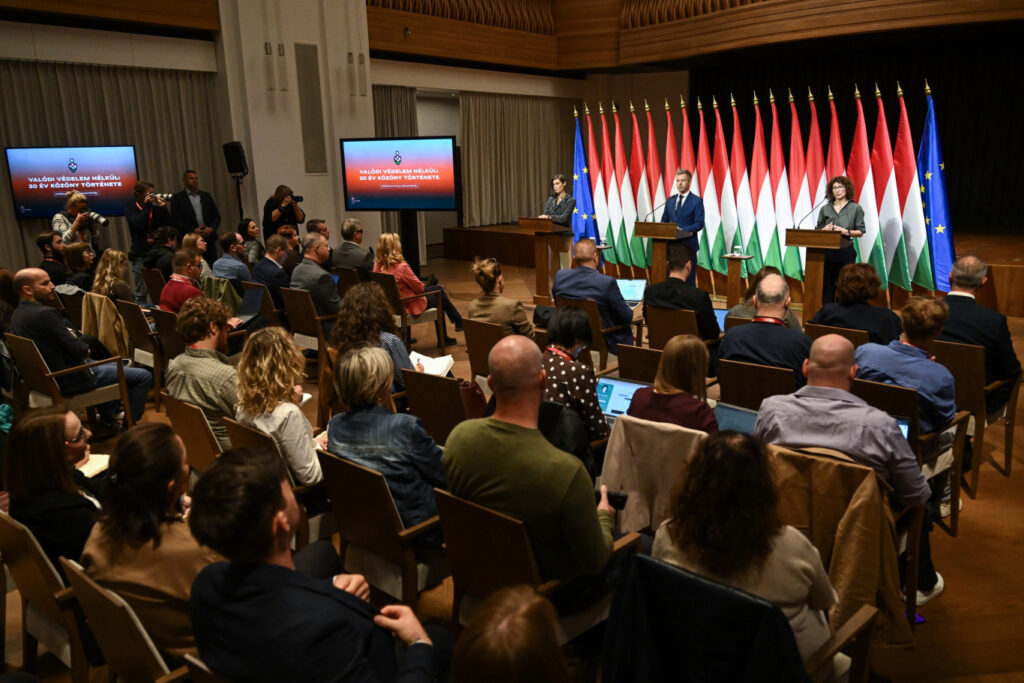
Szilvia Gyurkó, State Secretary for Children’s Rights and Child Protection, and Prime Minister Péter Magyar presented the report, which covers violations of rights between 2005 and 2025, on October 8, according to 444. The 108-page document summarizes the history of the institution, the situation of the children living there, and the circumstances that allowed the abuses to remain hidden for so long.
## From warning signs to a response
The Bicske case came to widespread public attention in 2016. It was then that it was revealed that the director of the facility had sexually abused children living there for years, even though reports had been made earlier.
The case returned to the public spotlight in 2024. At that time, 444 reported that President Katalin Novák had granted a pardon to one of the director’s aides in 2023. In the wake of the pardon, the issue of political and institutional accountability came to the forefront once again.
The authors of this report reviewed documents from government agencies, operating entities, and institutions, as well as press materials and interviews. They did not conduct interviews with the victims. The work was further complicated by the fact that some documents were incomplete or arrived late.
At the presentation, Szilvia Gyurkó said: “No perpetrator can game the system alone.” The document's reasoning is built on this too. Holding an abuser accountable is necessary, but it does not fix the malfunctions of child protection.
The report identifies a shortage of professionals and capacity, a fragmented institutional system, the marginalization of children’s voices, and the lack of independent oversight as serious problems. It also notes that the stigma attached to children living in institutions may further reduce the likelihood that their complaints will be taken seriously.
## The investigation didn't run smoothly either
The State Secretariat for Children's Rights and Child Protection of the Ministry of Social and Family Affairs itself criticized the circumstances in which the report was prepared. The government decision assigned the leadership of the investigation to the Minister of the Interior and the Minister of Justice, while the social affairs ministry joined through professional consultations without formal authorization.
According to the State Secretariat’s assessment, this made the work more flexible, but the exchange of information between ministries and the scheduling of tasks became uncertain. The ministry recommends that, for future investigations, the government resolution clearly specify the participants, their roles, and the rules for data sharing.
The report recommends several structural changes, including reforming guardianship, strengthening child-centered decisions, keeping a check on managerial power, improving operating conditions and a media practice more sensitive to people who have experienced trauma.
## Help for the lives of those affected today
During the investigation, the investigators concluded that the manner in which the 2020 compensation agreements were handled may have caused further harm to those affected. Nine people received a total of 154 million forints through out-of-court settlements, and as part of the agreement, they agreed to maintain confidentiality.
The new Reparation Fund will start with a budget of one billion forints, as a pilot program for now. Instead of cash, it would provide services tailored to the current needs of those affected. Applicants can decide on the form of help together with a professional.
Applicants may be able to request psychological or psychiatric care, health and rehabilitation support, legal aid, a housing contribution, and support for returning to education or work.
The application portal is scheduled to open on January 1. Adults who spent at least one day in residential child protection care or a juvenile detention center after November 1, 1997, and who, according to their statements, suffered abuse, neglect, or other serious harm while there, are eligible to apply.
Source: 444