Kontroll reported on 7 November that nearly 125,000 healthcare professionals could receive an average pay rise of 15 per cent from 1 January 2027. The budget allocation would total HUF 192 billion. The outlet noted that an increase of 25 per cent had previously been promised.
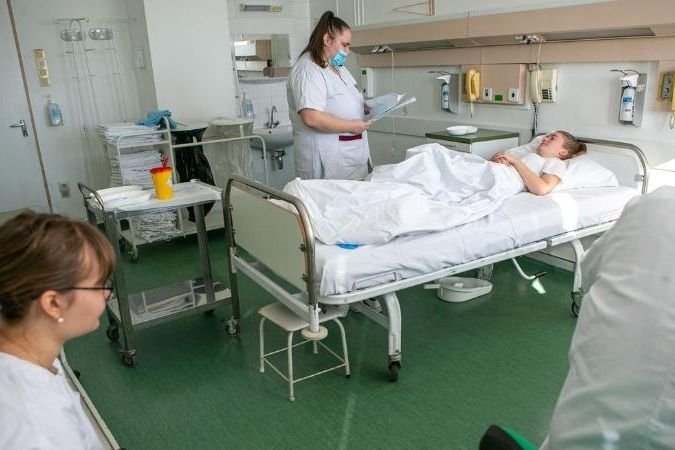
The average figure could conceal substantial differences. Some employees may receive a rise of only 7.5 per cent, while others could see their pay increase by as much as 33 per cent. The largest rises are expected mainly among vocationally qualified nurses who work continuous shifts and provide direct bedside care.
Ninety places on the pay scale
The current, less detailed classification system could be replaced by a grid-based pay scale. It would include 15 bands based on length of professional experience and six job categories, creating 90 separate salary classifications.
According to Kontroll, the structure could allow younger employees’ salaries to rise more quickly while giving greater recognition to longer service. The outlet described the current model as an adaptation of rules originally designed for Hungary’s uniformed services, arguing that its logic does not fit hospital work well.
Under the present scale, age-linked progression every three to five years effectively ends after the age of 40. Kontroll reported that this affects a large share of the workforce, as around 70 per cent of healthcare professionals are over 40. The system therefore limits further salary growth for many of the experienced nurses on whom patient care relies.
Working hours could count again
Hungary abolished the bedside-care allowance in 2024 and incorporated its elements into basic salaries. This blurred the pay distinction between predictable weekday schedules and continuous patient care involving nights, weekends and public holidays.
The new scale could restore some of that difference. However, unequal rises may also create fresh tensions between graduate nurses and colleagues with vocational qualifications.
Pay is only part of the strain
A salary increase on its own would not ease the pressure caused by staff shortages. Kontroll cited cases of operating theatre assistants working as many as 240 hours a month instead of the standard 168 hours.
Persistent exhaustion has left some healthcare workers physically unable to continue after decades in the profession, prompting them to leave. Their departure places an even heavier burden on those who remain. The proposed scale may match salaries more closely to qualifications, experience and shift patterns, but it would not by itself resolve the staffing shortage described by the source.
Source: Kontroll