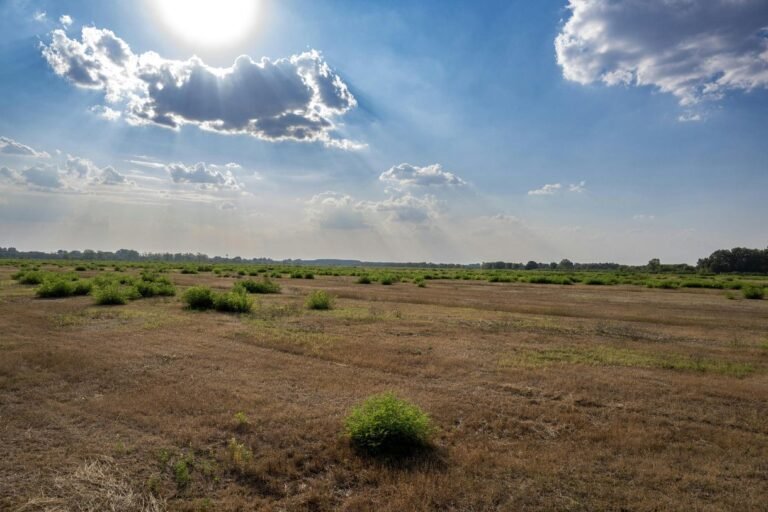
The month was also milder than average. Hungary’s mean temperature was 11.4°C, which was 0.7°C above the 1991–2020 average of 10.7°C. Monthly averages in lowland areas were generally between 10°C and 12°C, with even higher readings in a few places. At several locations in the North Hungarian Mountains, however, the average remained below 10°C.
More rain in October, but still not enough
Based on the data available so far, nationwide precipitation averaged 41.6 millimetres in October. That was 18 per cent below the usual monthly figure of 50.9 millimetres.
The south-west received the most rain, with totals ranging from 60 to 90 millimetres. Much of Hungary recorded between 30 and 50 millimetres, while several weather stations in the north and north-west did not reach 30 millimetres. Stations around Sopron were among them.
A vast deficit built up over ten months
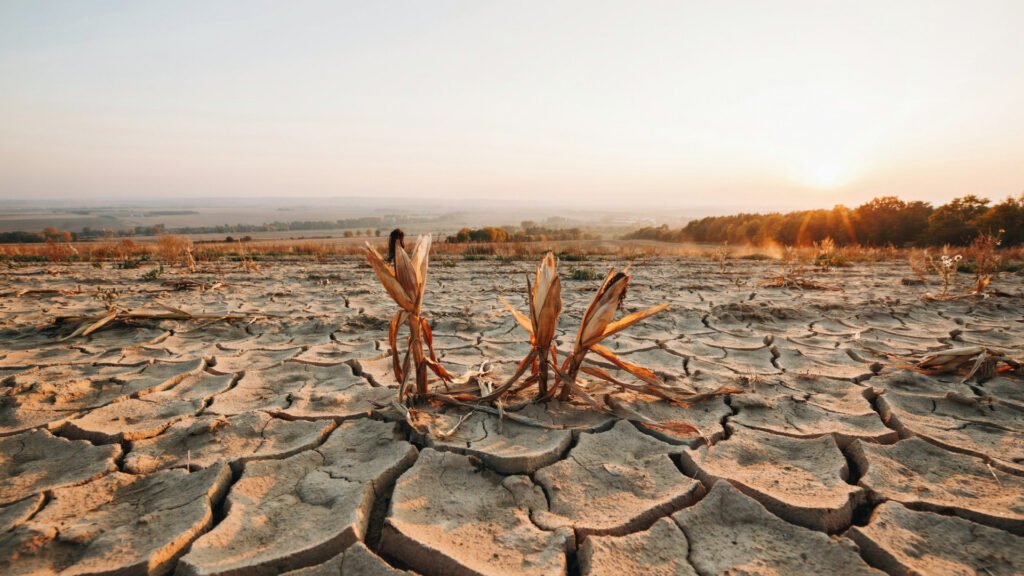
Between January and the end of October, Hungary received an average of 293.3 millimetres of precipitation. This was 44 per cent below the long-term average of 522 millimetres for the same period.
The figures also show wide regional differences. Several stations in central Hungary and the Great Hungarian Plain recorded less than 200 millimetres over the ten months. Totals above 400 millimetres were limited to western and south-western parts of the country.
Across most of Hungary, precipitation was 200–300 millimetres below the usual level. The deficit exceeded 300 millimetres in several mountainous areas and reached 400 millimetres in the Mátra Mountains.
The prolonged drought may affect water management and urban green spaces as well as agriculture. The published measurements cover national and regional trends, without separate figures for Budapest or District VII.
Source: Portfolio