Restoring the permeability of paved areas slows that process. Some of the rain can seep into the ground, replenish underground water reserves and reduce the volume entering drains at the same time. It may also ease the risk of combined sewer overflows.
Water in the soil, less heat in the street
Sealed surfaces absorb heat and release it back into their surroundings. This intensifies the urban heat island effect, which permeable and planted areas can help reduce. Moisture retained in the soil cools the environment as it evaporates, potentially lowering surface and ambient air temperatures and making streets and public spaces more comfortable.
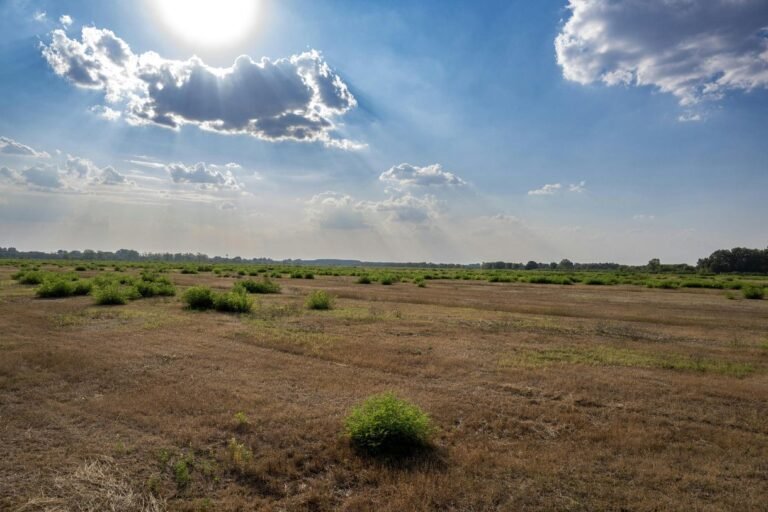
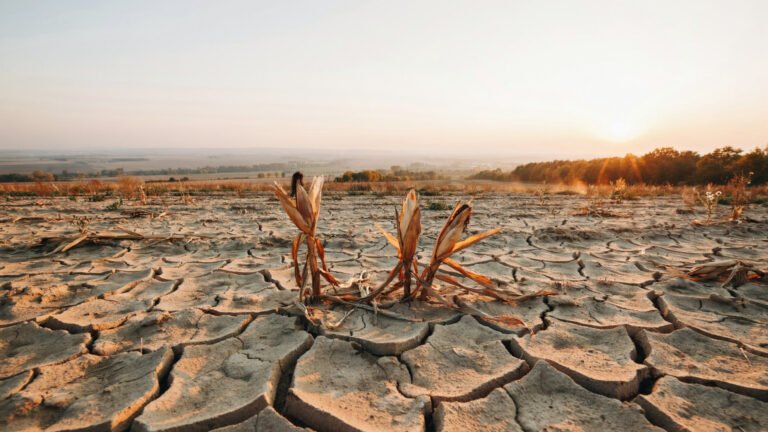
Keeping rainfall where it lands can also make urban areas more resilient to drought. When the ground is fully paved over, less water reaches the soil and plants become more dependent on irrigation. Permeable surfaces reconnect rainfall with the natural water cycle.
Healthy soil is also a habitat. It supports microorganisms, insects and plant roots. Removing paving can improve soil aeration and fertility, while giving urban trees room to develop deeper, stronger root systems. Small planted areas can also support pollinators and create microhabitats.
Rain gardens and unpaved courtyards
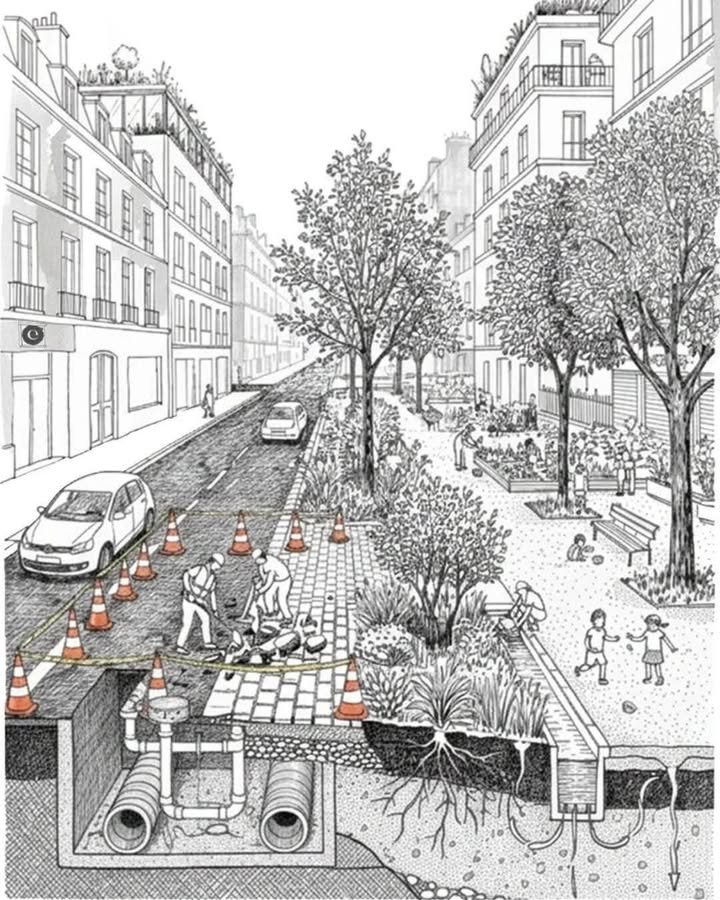
There are several ways to open up the urban surface. Permeable materials can be used in car parks and other heavily used spaces, while sections of paving can be removed from pavements, schoolyards and underused sites.
Rain gardens, biofilters and infiltration trenches collect rainfall, slow it down and guide it into the soil. Vegetated drainage channels and unpaved courtyards can serve a similar purpose. Urban trees can be planted in structural soil, creating better conditions for their roots.
These nature-based measures can be adapted to different settings and designed together with communities. In this approach, urban rainfall becomes a resource to be used where it falls rather than water to be channelled away as quickly as possible.
Source: Színes Erzsébetváros