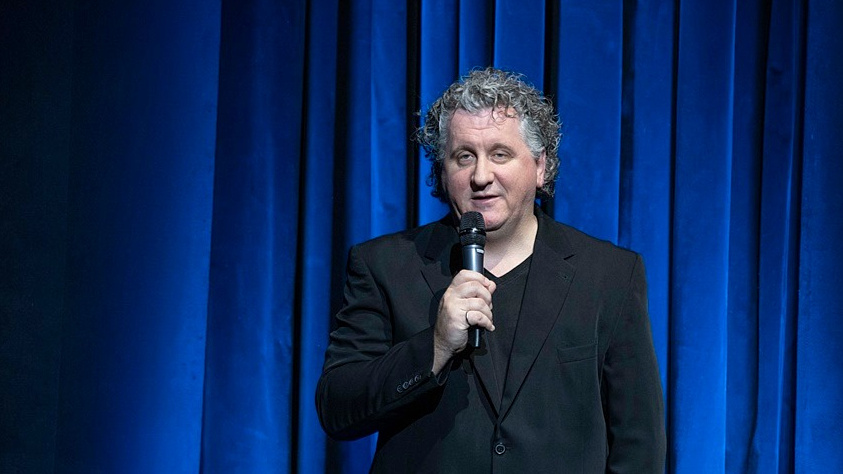
In an article published on 2 November, Hungarian cultural magazine Fidelio reported that Zoltán Tarr, the minister responsible for social relations and culture, had terminated Ókovács’s employment that day. The decision was first announced on social media by Ervin Nagy, Hungary’s state secretary for culture, and was subsequently confirmed to Fidelio by the ministry.
Bonuses and unclear production costs questioned
The ministry said the institutional review had uncovered several irregularities. These allegedly included recurring performance-related bonuses that should have required ministerial approval. According to the ministry, Ókovács received several hundred thousand forints a month for communications work and duties associated with the vacant chief music director’s post.
Nagy wrote that Ókovács had received additional payments on top of his gross monthly salary of HUF 4.8 million. The state secretary claimed that for several months the director-general had been paid more than HUF 660,000 gross per month to write and publish daily notes.
Nagy also said that the duties of the chief music director — a position left vacant since 2023 — had been divided among the director-general, his deputy and other employees as separately paid assignments. According to his account, the institution’s two most senior executives certified one another’s completion of this work.
The state secretary raised further concerns about the Opera’s financial records. He claimed that as many as four different estimated costs had been used for individual productions. Contracts for conductors worth hundreds of millions of forints were also examined; Nagy said Ókovács withdrew them after reviewers questioned their justification.
In another case, the institution’s management allegedly stated that no employment contract had been concluded, although reviewers found a signed and countersigned document. These allegations come from statements issued by the ministry and Nagy.
Ókovács says he was not consulted
Ókovács later responded to his dismissal in a brief Facebook post. As quoted in a related Fidelio article, he objected that he had not been given an opportunity for dialogue during the review. “They did not ask me once,” he wrote.
The ministry said Ivacs would be responsible for examining the findings further, addressing the reported shortcomings and determining whether there were grounds to suspect a criminal offence. No such finding by the authorities has been reported in the available statements.
Performances at the Hungarian State Opera will continue during the transition. Ivacs will remain in charge until a new director-general is selected through an open application process.
Source: Fidelio