
A sum this big is easiest to understand when translated into the language of everyday care. On Friday, October 9, Prime Minister Péter Magyar said that the public health service will have 500 billion forints more to work with in 2027, Portfolio reported.
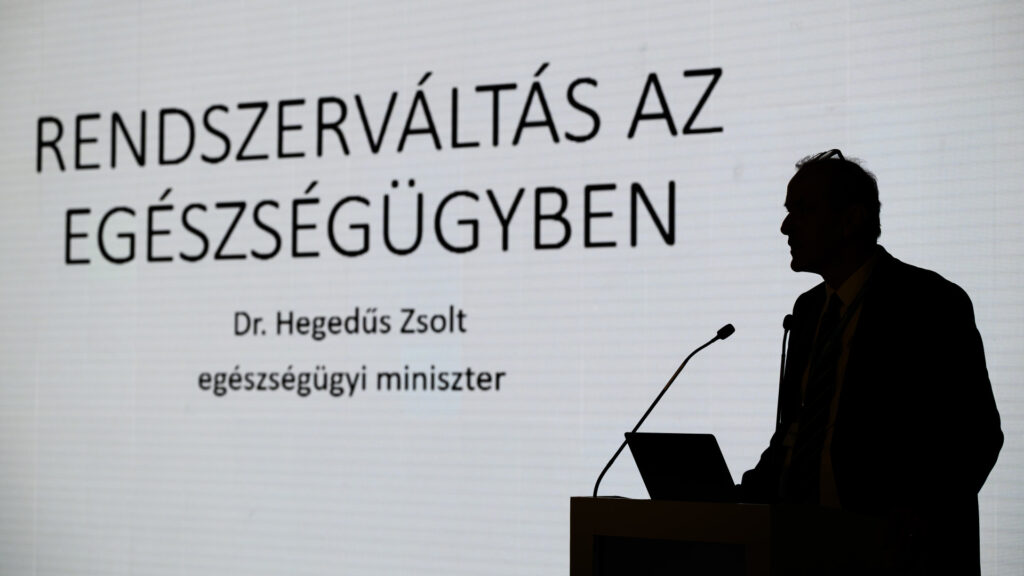
The prime minister mentioned reducing waiting lists and improving the healthcare system. Health Minister Zsolt Hegedűs later outlined the areas where the additional funding would be allocated.
## From primary care to diagnostics
The list addresses several aspects of the healthcare system. They would strengthen primary care, make changes to the structure of the system, and allocate funds to retain staff—including by improving wages and working conditions, among other measures.
Plans include digitization, the use of reliable health data, and better organization of patient care pathways. The minister also mentioned more advanced diagnostics, a greater emphasis on prevention, and value-based financing.
These goals would be evident in day-to-day care if patients could receive tests or treatment more quickly and navigate the healthcare system more easily. The prime minister specifically mentioned reducing waiting lists.
## It's not only the amount that counts
According to Zsolt Hegedűs, the size of the spending alone does not show whether the program has succeeded. He said “the measure of success will not be that we spent 500 billion”, but what patients get for it and the conditions in which doctors, nurses and other health professionals can work.
The budget is still being drafted, and the detailed breakdown of the 500 billion forints has not been released. For now, only the general areas of focus are known; the specific programs and amounts will be revealed once the budget proposal is finalized.
Source: Portfolio