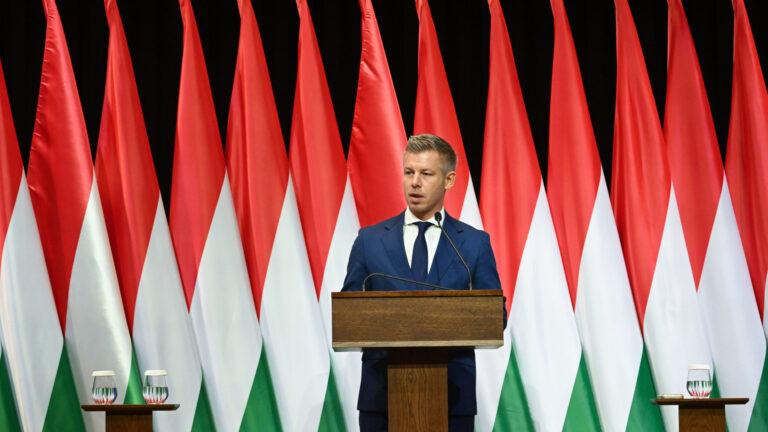
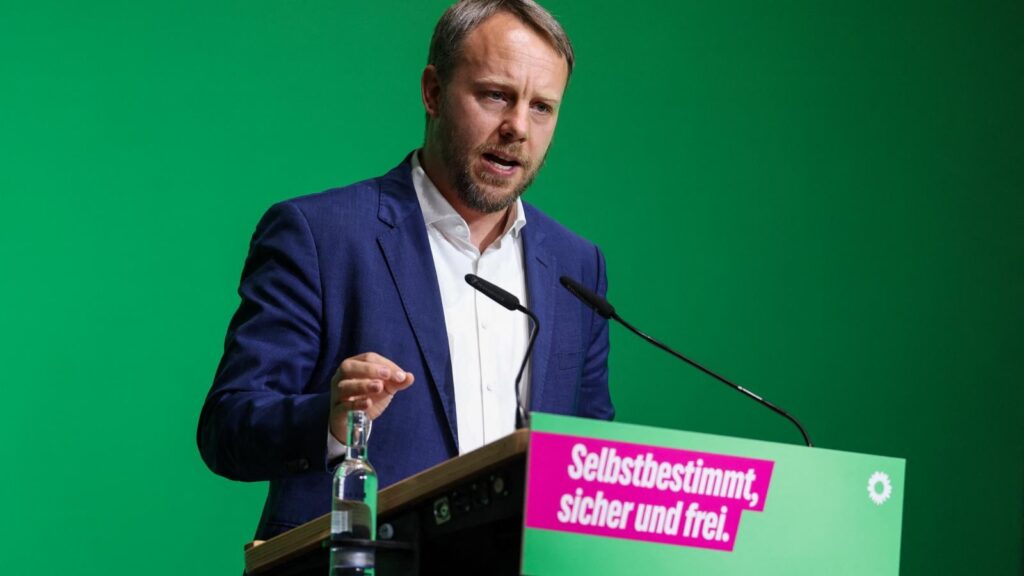
Two days, three Members of the European Parliament, and several meetings in Budapest: Daniel Freund, Jean-Marc Germain, and Moritz Körner came to the capital to assess developments in Hungary regarding the rule of law and the fight against corruption.
The delegation held talks with civil society organizations, business representatives, and officials from the Integrity Authority. They did not meet with leaders of the Hungarian government.
The visit comes in the wake of the European Commission’s proposal on September 23. The Commission has proposed to release 4.2 billion euros in previously frozen cohesion funding and to restore Hungary’s full access to the Erasmus+ and Horizon Europe programs.
## A law passed is not yet practice
According to Daniel Freund, the Hungarian government’s reforms largely meet the Commission’s conditions. Nevertheless, MEPs do not consider the matter closed: they want to know whether the new rules are actually being implemented in day-to-day institutional operations.
This is particularly an issue when it comes to reforms in public procurement, conflicts of interest, and anti-corruption measures. The delegation also assessed the actual scope of action available to independent institutions.
Moritz Körner described the pace of Hungarian lawmaking as an “anti-corruption marathon”. He said the rule of law is easier to dismantle than to restore.
The Commission’s assessment and the position of the three Members of the European Parliament are therefore not entirely the same. The Commission is ready to move forward, but the members of the delegation would first like to see that the legislative changes do not remain merely on paper.
## Two financial tracks
The Council, which represents the member states, has yet to decide on the 4.2 billion euro cohesion package. The proposal alone does not trigger the disbursement; the restrictions will remain in effect until a decision is made.
The issue of the recovery fund is a separate matter. In July, the Council approved the revised Hungarian plan, which includes approximately 10 billion euros in grants and preferential loans. Hungary submitted its final payment requests by September 30, and the European Commission is now reviewing how much can be transferred.
Meanwhile, other funds may remain frozen. According to an article in Népszava, approximately 2.7 billion euros are being withheld due to noncompliance with the EU Charter of Fundamental Rights, and an additional 800 million euros are being withheld due to other thematic requirements.
On October 5 in Strasbourg, Daniel Freund stated that Hungary has not yet fully implemented the rulings of the Court of Justice of the European Union regarding the protection of the right to asylum and the rights of the LGBTQI community. For this reason, he believes it would be premature to close the Article 7 procedure initiated in 2018.
At the same time, Hungary’s accession to the European Public Prosecutor’s Office brought about a change. The European Commission officially confirmed Hungary’s participation on July 10, and the decision took effect in August. The full establishment of the Office’s operations in Hungary is still underway.
## What does this mean for Erzsébetváros?
Népszava did not provide any information on whether Erzsébetváros would receive any of the funds in question directly, nor did it name any district-level programs. For the time being, decisions are being made at the national level between EU institutions and the Hungarian government.
The next step could take place through two separate procedures: the Council will decide on the 4.2 billion euros in cohesion funding, while the European Commission will assess Hungary’s request for payment from the Recovery Fund. The European Parliament is planning another monitoring visit to Budapest by the end of October.
Source: Népszava