
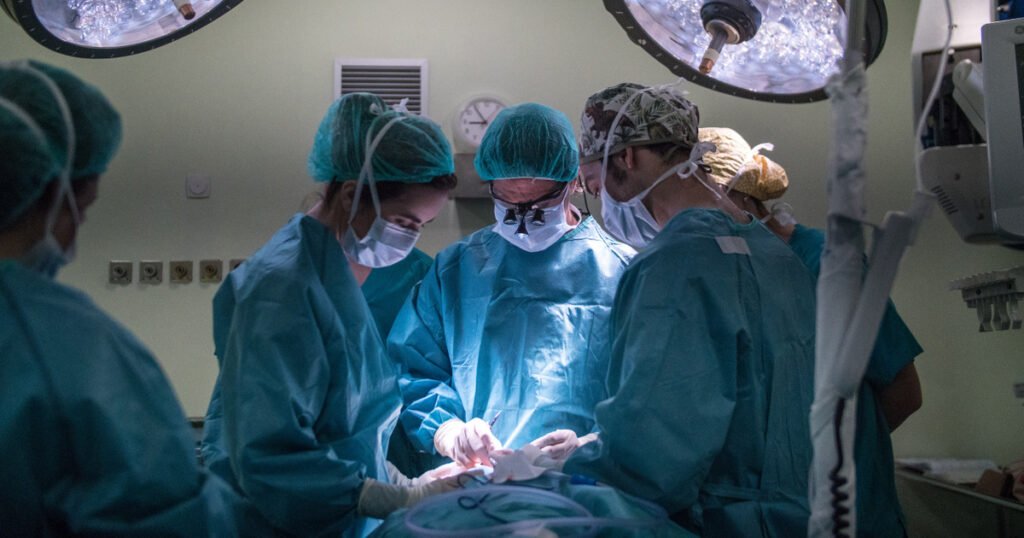
The changes would cover a broad range of people working in healthcare institutions. Alongside nurses and other healthcare professionals, the system would include technical staff, administrators and IT specialists whose work supports the operation of these institutions.
Qualifications and professional experience would determine pay grades
The current banded salary scale would be replaced by pay grades running from A to J. Employees would be placed in these grades according to their qualifications and professional experience.
The government summary describes the proposal as a more transparent system for pay and career progression. It also states that no employee’s basic salary could fall below the amount set by their current classification.
The Ministry of Health previously said that nearly HUF 192 billion of the additional HUF 510 billion allocated to the healthcare sector would be used for the pay settlement. The plan would affect 123,500 employees.
Their basic salaries could rise by an average of 15 per cent. Combined with a reduction in personal income tax, average net income could increase by 17 per cent, according to the published figures. The measure would cover staff working in primary care as well as outpatient and inpatient services.
Chamber warns of tensions within the workforce
Balogh Zoltán, president of the Magyar Egészségügyi Szakdolgozói Kamara, the Hungarian Chamber of Healthcare Professionals, said feedback from employees suggested that the new salary scale could create internal pay tensions.
He also criticised the absence of meaningful consultation with the organisations representing those affected before the draft was prepared. In his view, healthcare workers need a pay system that remains predictable and transparent over the long term.
While acknowledging the government’s efforts to address salaries, Balogh described the current proposal as a starting point rather than a finished settlement. The chamber considers further negotiations necessary.
The draft legislation is open for comments until 21 November.
Source: Index